Coronavirus in Honduras
Before the COVID19 pandemic, nearly 70% of Hondurans were living in poverty. This will get worse. According to The World Bank Group, the percentage of people worldwide that live on less than $1.90 a day has been improving: %36 in 1990 and most recently, %10 in 2015. With the global economy at a standstill, they predict the poverty levels will rise for the first time since 1998. The evidence is tangibly in view on the streets of Honduras, where thousands of people--that usually are not asking for aid--have flocked to the streets to ask for help, proclaiming they are hungry. With little to no assistance from the government, they have been left to fend for themselves. In this series of portraits, I have tried to portray the humanity and desperation of the families pleading for lives.
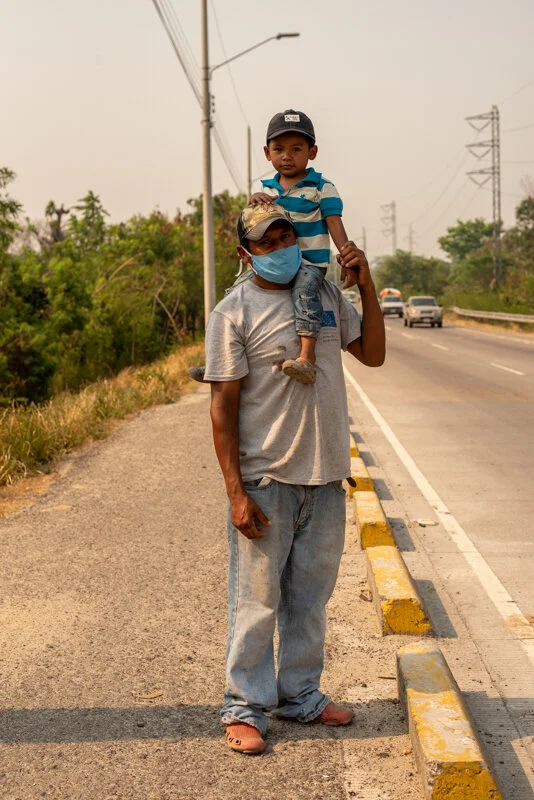
The Coronavirus crisis and lockdown in Honduras has been especially harsh on the vulnerable--over 60% of people live in poverty. Without a job and little to no help from the government thousands of people have taken to the streets hoping for goodwill from passersby.
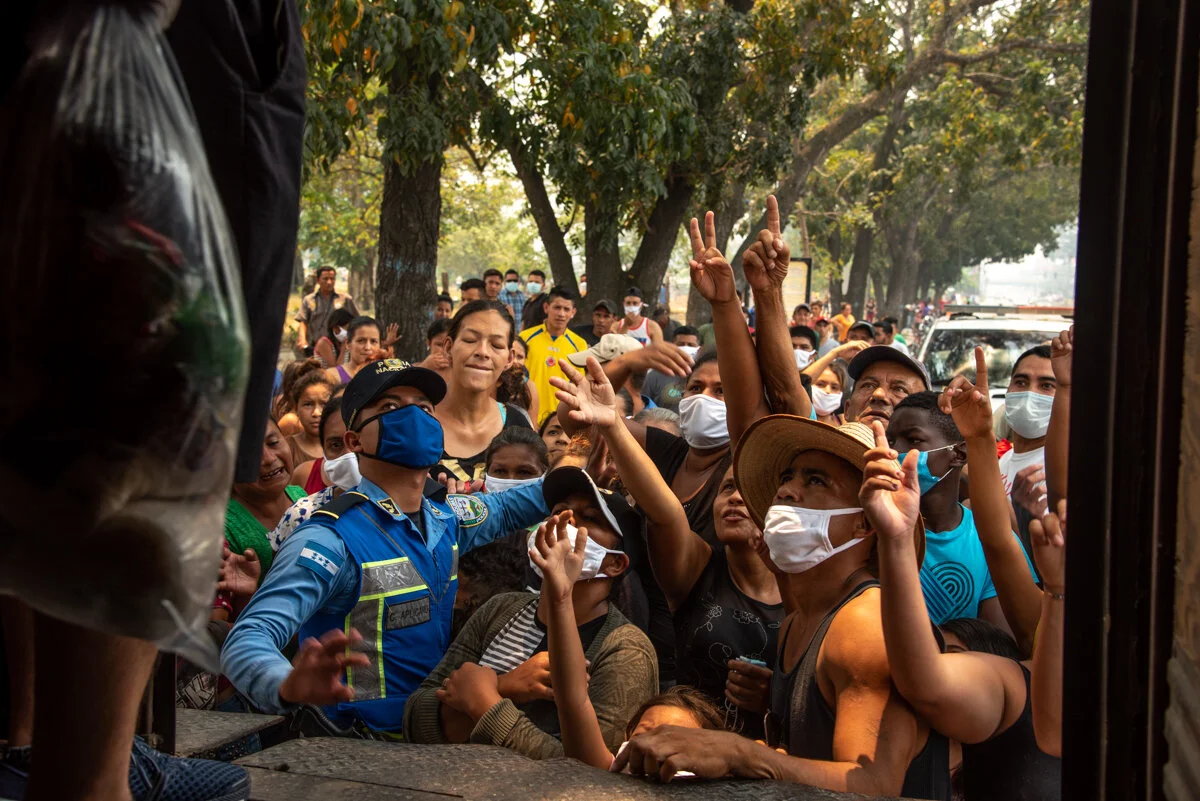
Over 60% of people in Honduras live in poverty. During the Coronavirus lockdown the most vulnerable people have seen the biggest negative impacts. All over the city people from the poorest neighborhoods have flocked to the street to ask for help. Many times the government cannot provide the aid that's necessary.
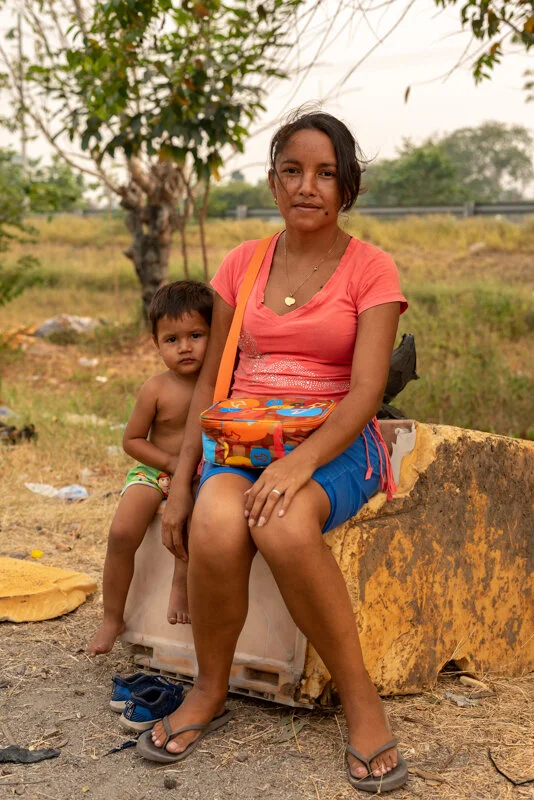
The Coronavirus crisis and lockdown in Honduras has been especially harsh on the vulnerable--over 60% of people live in poverty. Without a job and little to no help from the government thousands of people have taken to the streets hoping for goodwill from passersby.
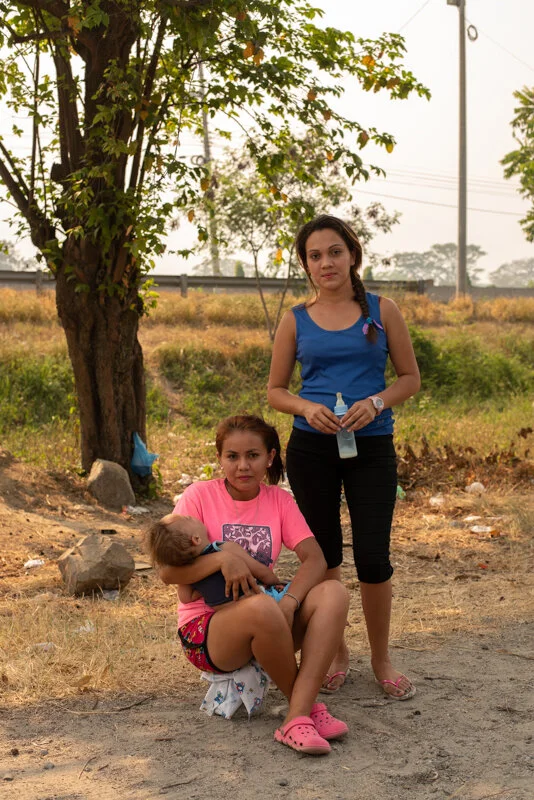
The Coronavirus crisis and lockdown in Honduras has been especially harsh on the vulnerable--over 60% of people live in poverty. Without a job and little to no help from the government thousands of people have taken to the streets hoping for goodwill from passersby.

The Coronavirus crisis and lockdown in Honduras has been especially harsh on the vulnerable--over 60% of people live in poverty. Without a job and little to no help from the government thousands of people have taken to the streets hoping for goodwill from passersby.
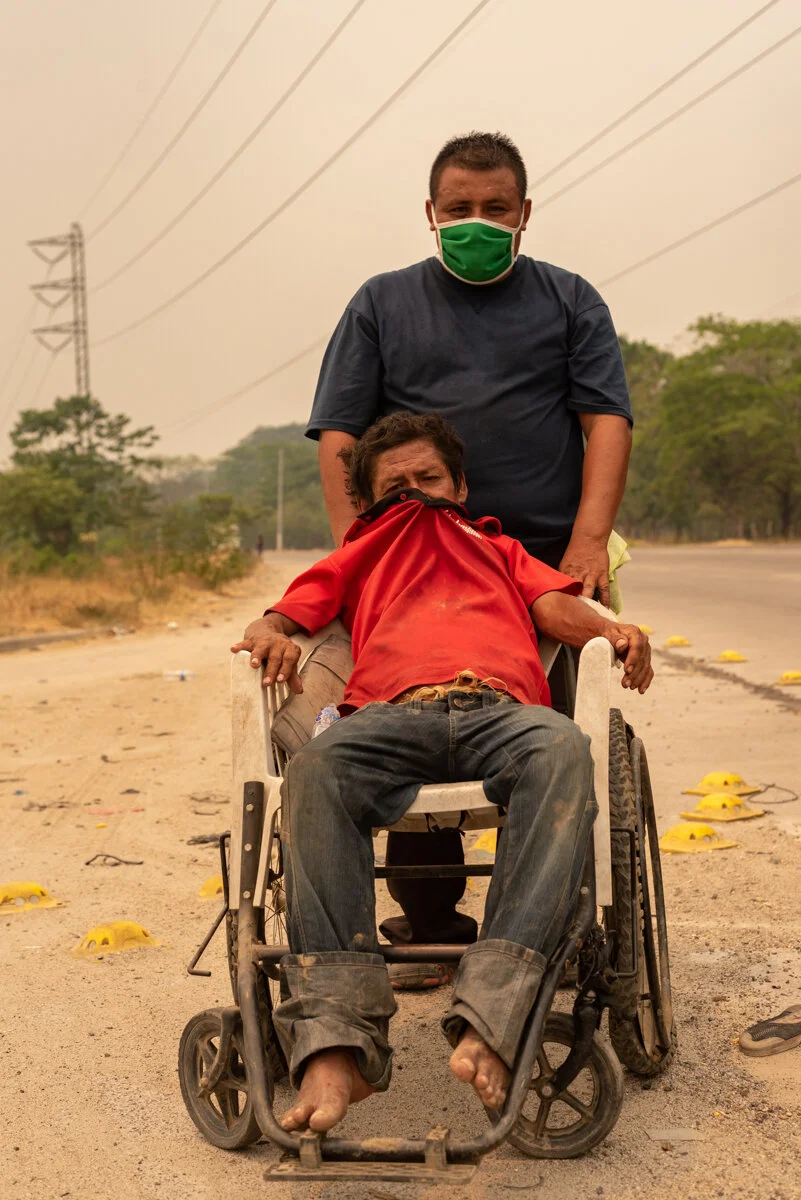
The Coronavirus crisis and lockdown in Honduras has been especially harsh on the vulnerable--over 60% of people live in poverty. Without a job and little to no help from the government thousands of people have taken to the streets hoping for goodwill from passersby.
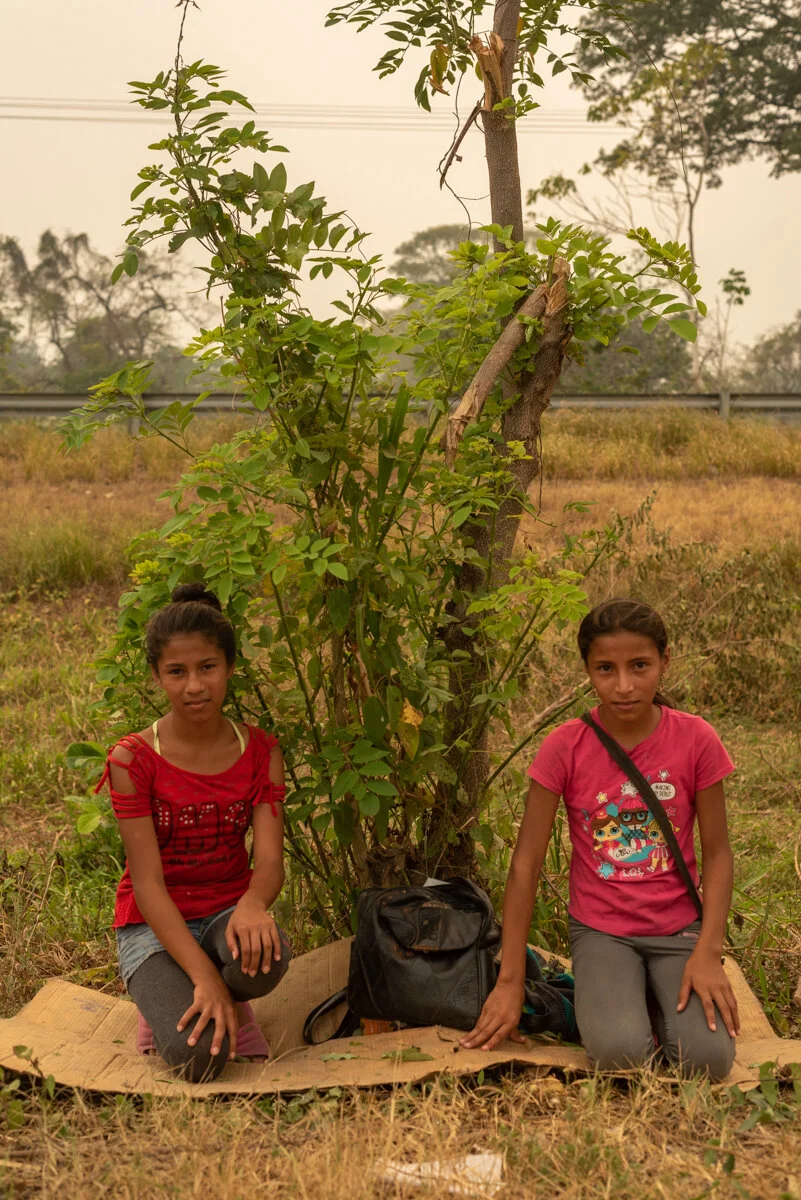
The Coronavirus crisis and lockdown in Honduras has been especially harsh on the vulnerable--over 60% of people live in poverty. Without a job and little to no help from the government thousands of people have taken to the streets hoping for goodwill from passersby.
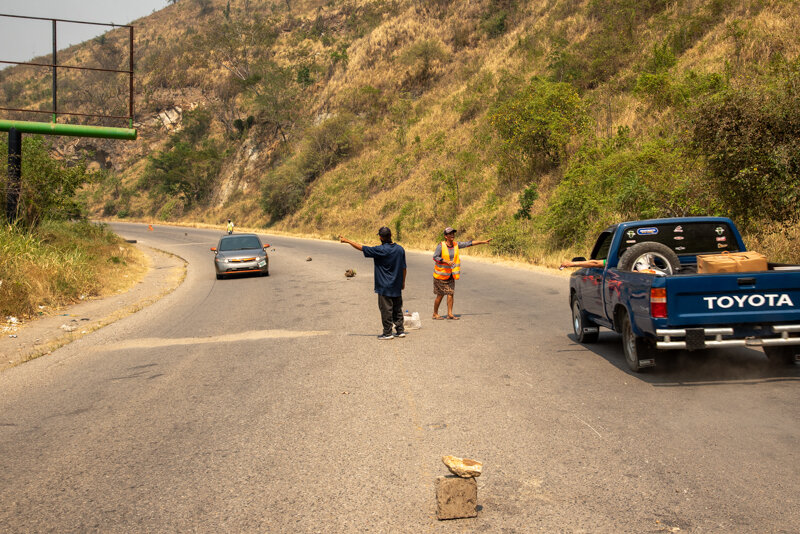
The most vulnerable people--over 60% of Honurans live in poverty--have seen the biggest negative impacts from the Coronavirus lockdown. All over the city people from the poorest neighborhoods have flocked to the street to ask for help.

The most vulnerable people--over 60% of Honurans live in poverty--have seen the biggest negative impacts from the Coronavirus lockdown. All over the city people from the poorest neighborhoods have flocked to the street to ask for help.
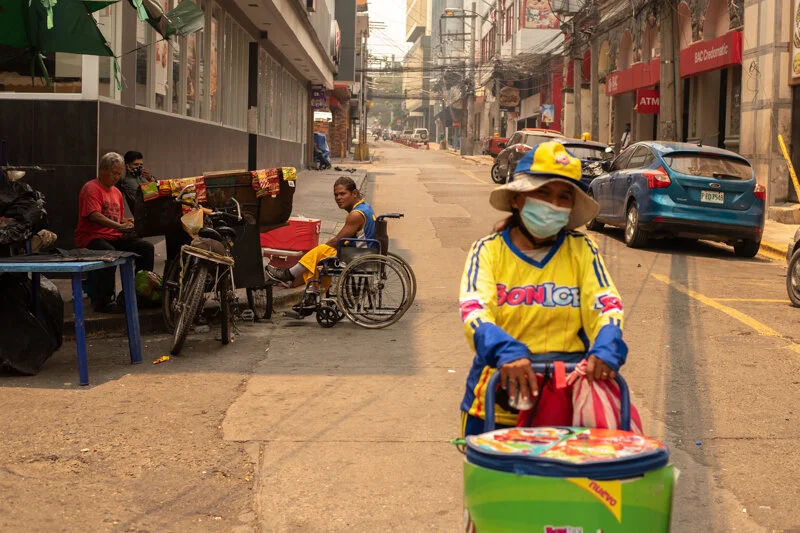
The country's most vulnerable, the people who live on the fringes, the over 60% that live in poverty in Honduras are existing in a sort of limbo—still on the streets trying to get by as they normally would, despite the fact that the corridors they occupy that were once overflowing with people are now eerily empty.
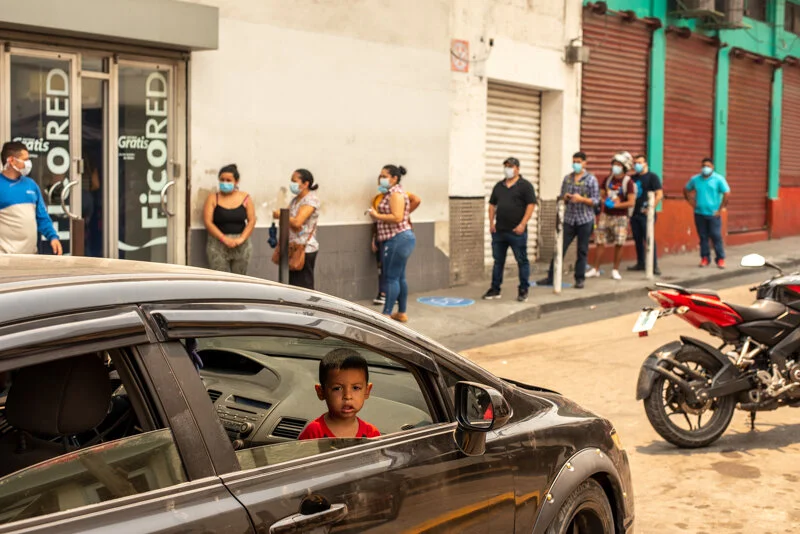
During lockdown in Honduras citizens are assigned days, according to the last digit of their ID number, in which they are allowed to do essential errands, which inlcude banks, grocery stores, gas stations, and pharmacies.
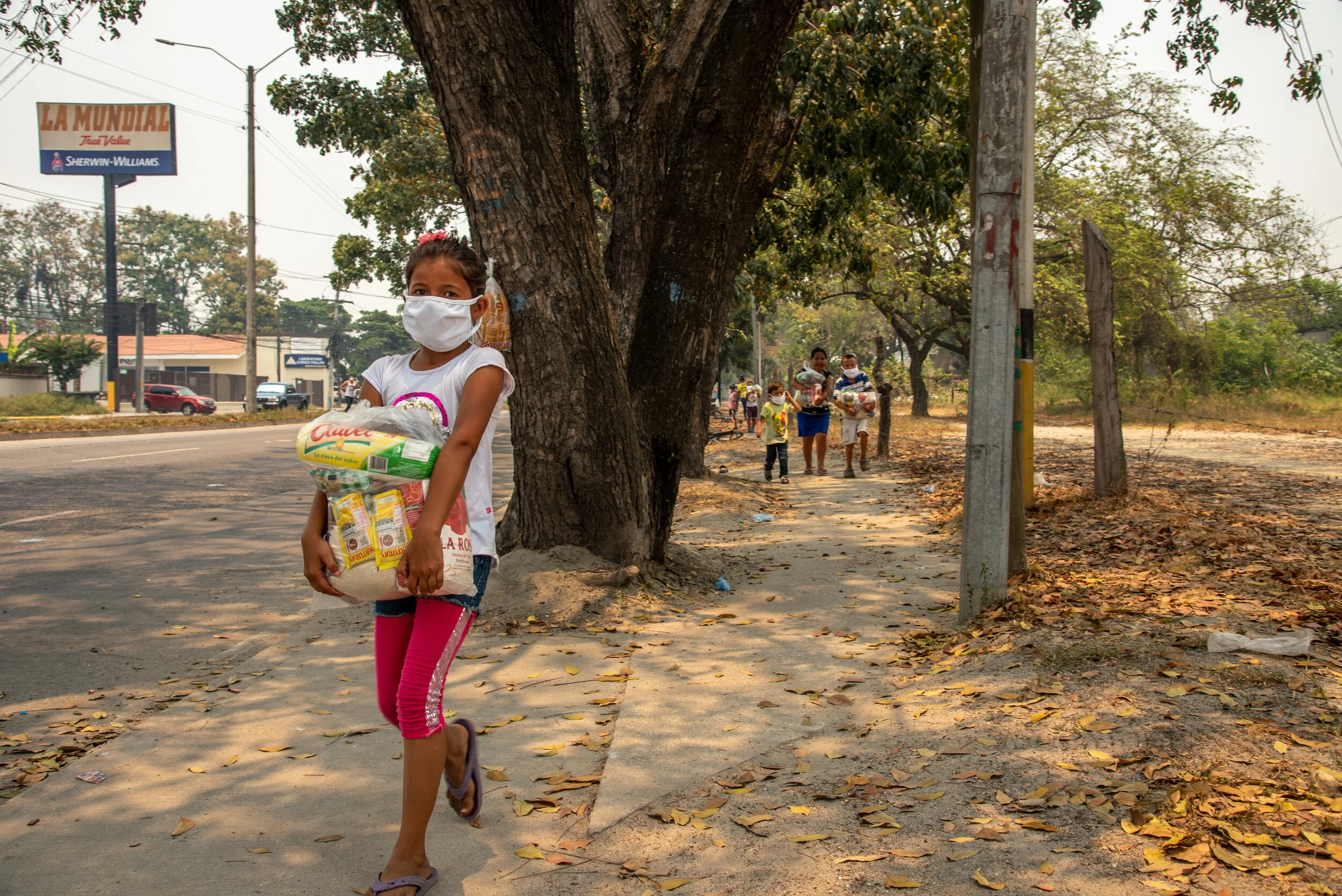
Over 60% of people in Honduras live in poverty. During the Coronavirus lockdown the most vulnerable people have seen the biggest negative impacts. All over the city people from the poorest neighborhoods have flocked to the street to ask for help. Many times the government cannot provide the aid that's necessary. Here a group of locals collected funds, bought food, and orgnized all logistics. Police provided security. On thier last stop people were left empty handed because the bags had all been given away.
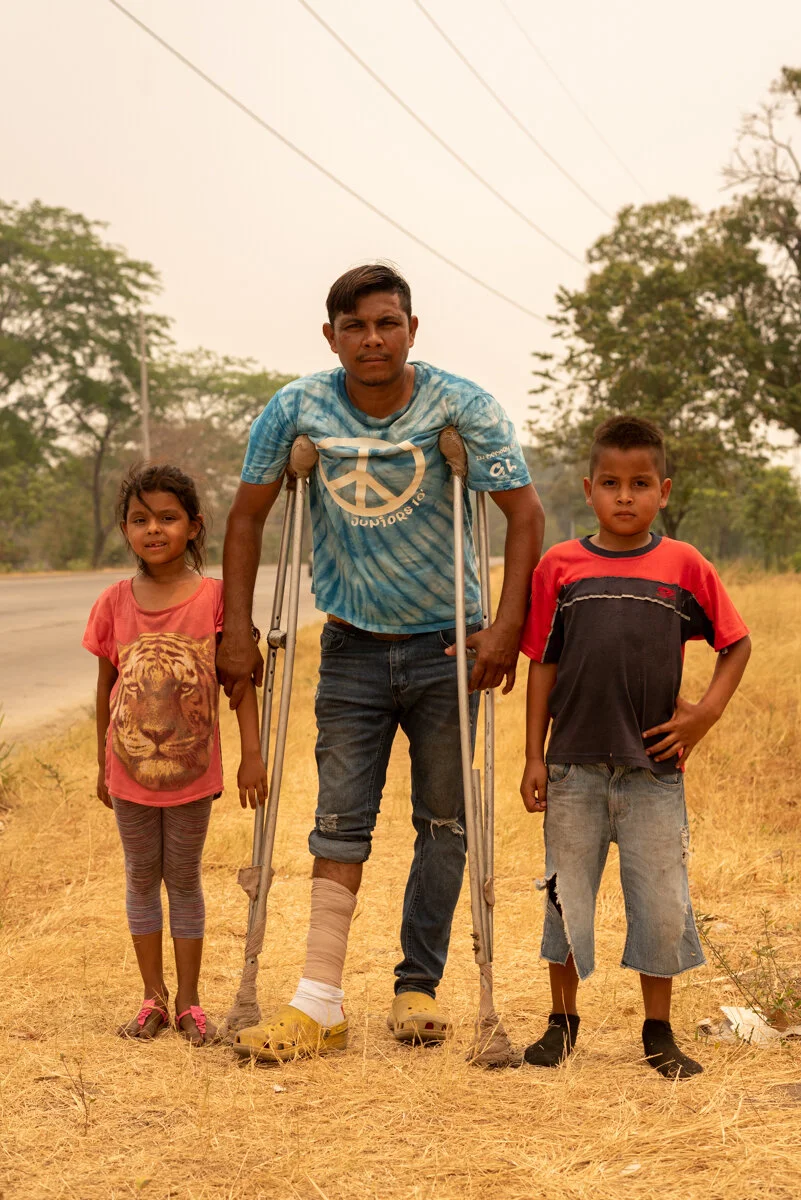
The Coronavirus crisis and lockdown in Honduras has been especially harsh on the vulnerable--over 60% of people live in poverty. Without a job and little to no help from the government thousands of people have taken to the streets hoping for goodwill from passersby.

The Coronavirus crisis and lockdown in Honduras has been especially harsh on the vulnerable--over 60% of people live in poverty. Without a job and little to no help from the government thousands of people have taken to the streets hoping for goodwill from passersby.
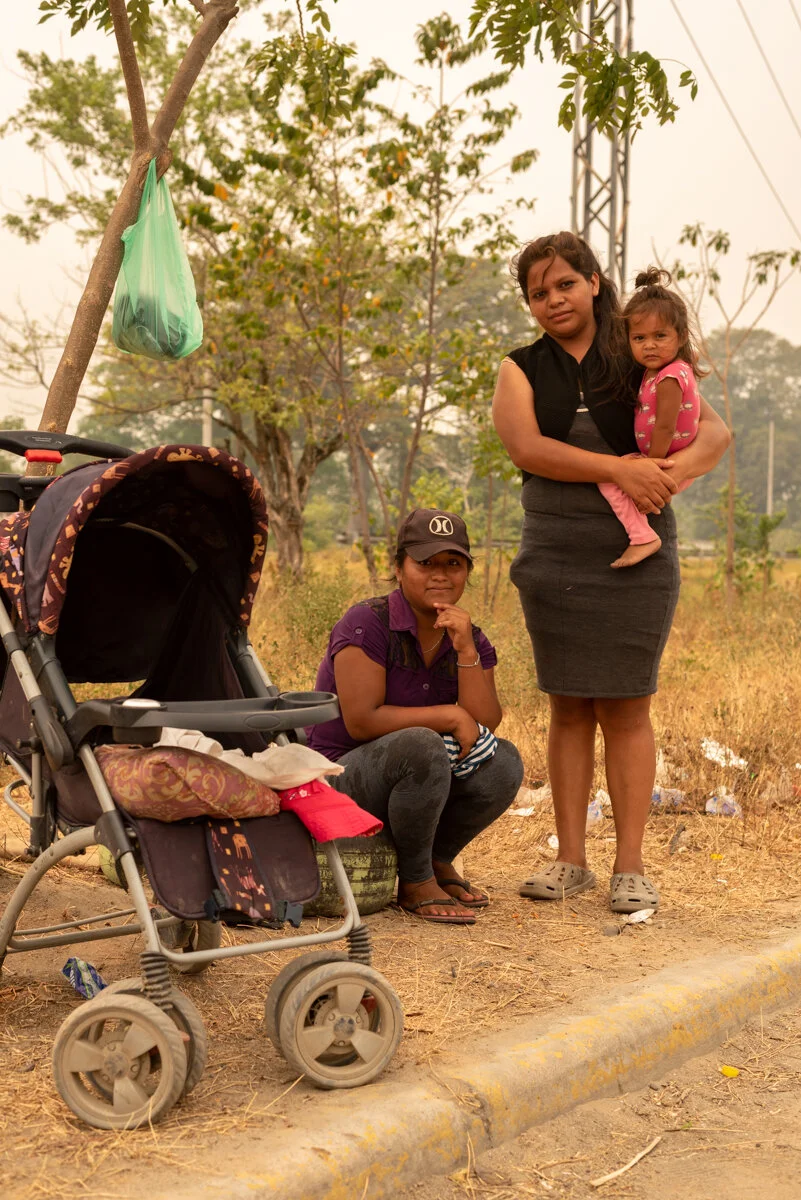
The Coronavirus crisis and lockdown in Honduras has been especially harsh on the vulnerable--over 60% of people live in poverty. Without a job and little to no help from the government thousands of people have taken to the streets hoping for goodwill from passersby.
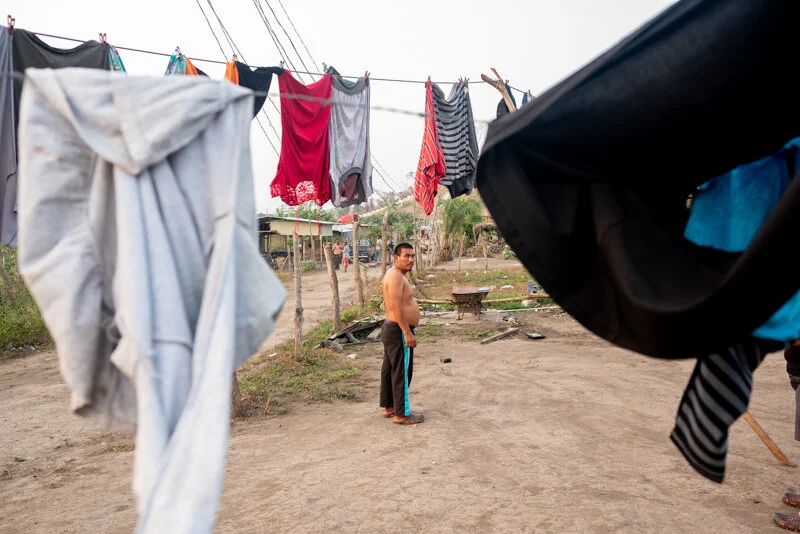
Ballos Horizantes is a community of people who claim small plots of land owned by the municipality. By law, if they prove occupancy for 10 years they gain ownership. In this community and those like it the vulnerabilty to the negative effects of the coronvirus lockdown are immense.
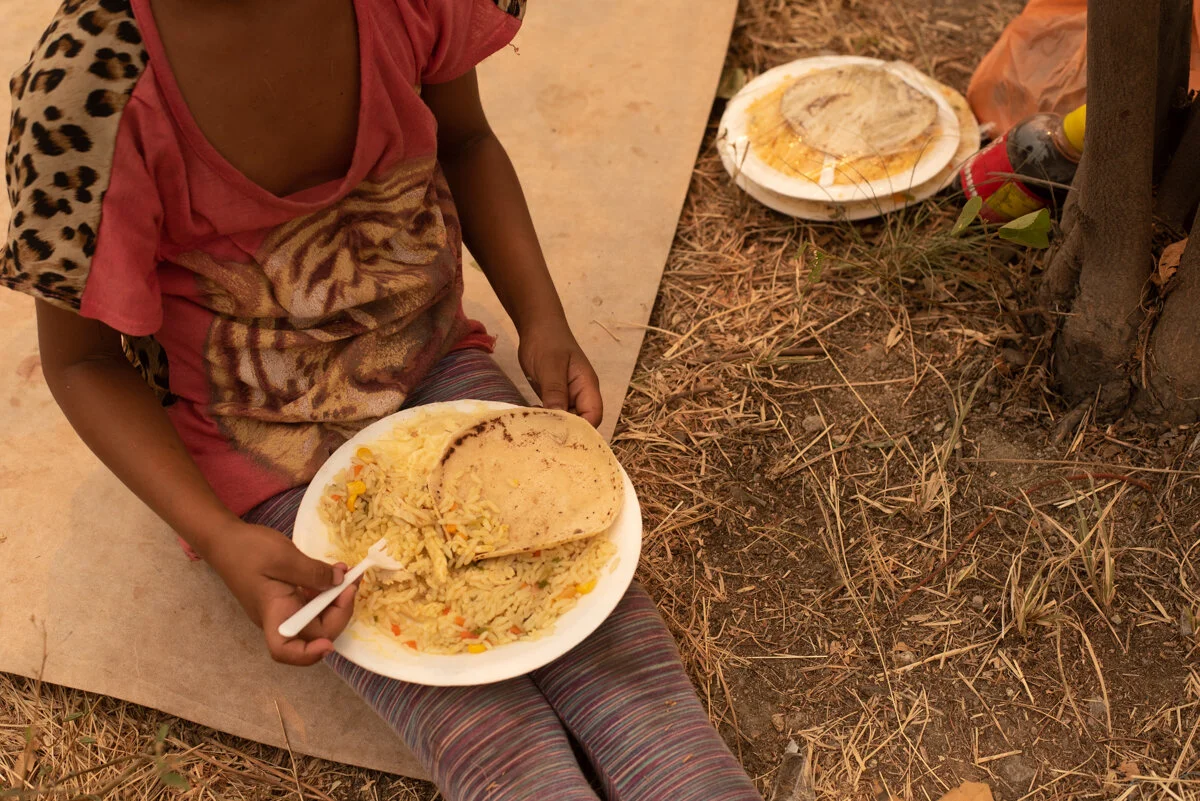
The Coronavirus crisis and lockdown in Honduras has been especially harsh on the vulnerable--over 60% of people live in poverty. Without a job and little to no help from the government thousands of people have taken to the streets hoping for goodwill from passersby.
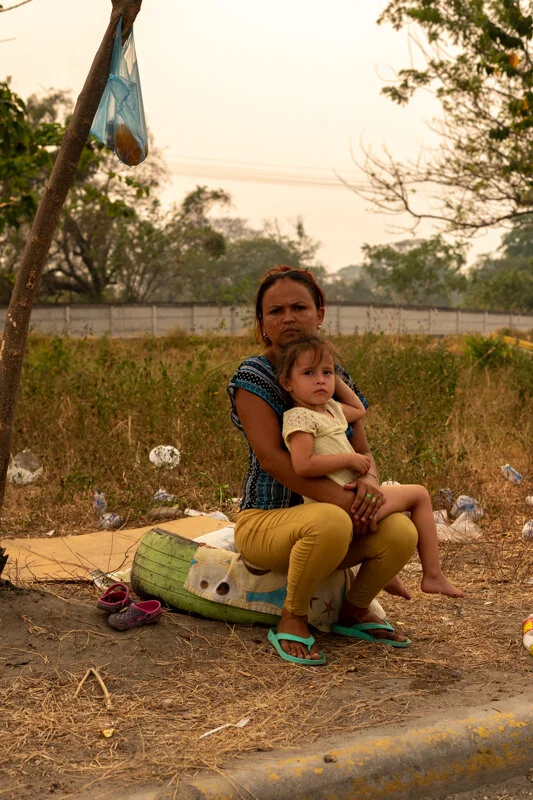
The Coronavirus crisis and lockdown in Honduras has been especially harsh on the vulnerable--over 60% of people live in poverty. Without a job and little to no help from the government thousands of people have taken to the streets hoping for goodwill from passersby.

Bajos Horizantes is a community of people who claim small plots of land owned by the municipality. By law, if they prove occupancy for 10 years they gain ownership. In this community and those like it the vulnerabilty to the negative effects of the coronvirus lockdown are immense.
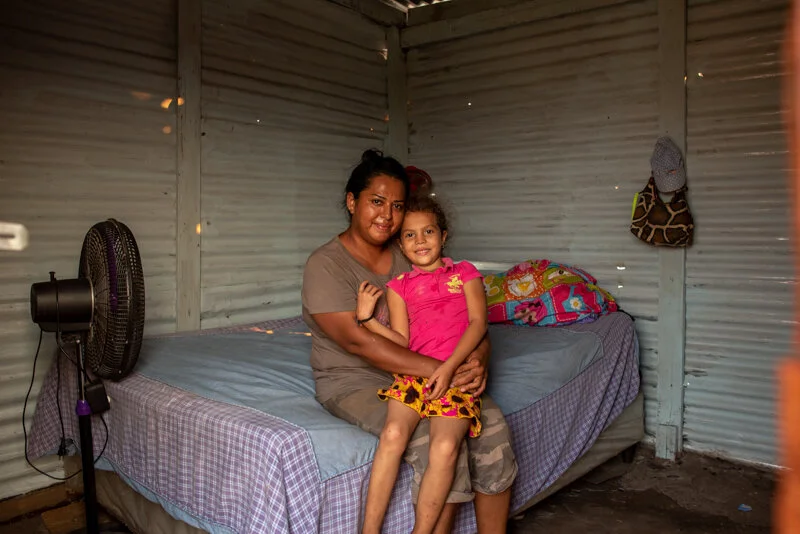
El Carmen is one of the poorest sections of San Pedro Sula. Ballos Horizantes is a community of people who claim small plots of land owned by the municipality. By law, if they prove occupancy for 10 years they gain ownership. In this community and those like it the vulnerabilty to the negative effects of the coronvirus lockdown are immense.
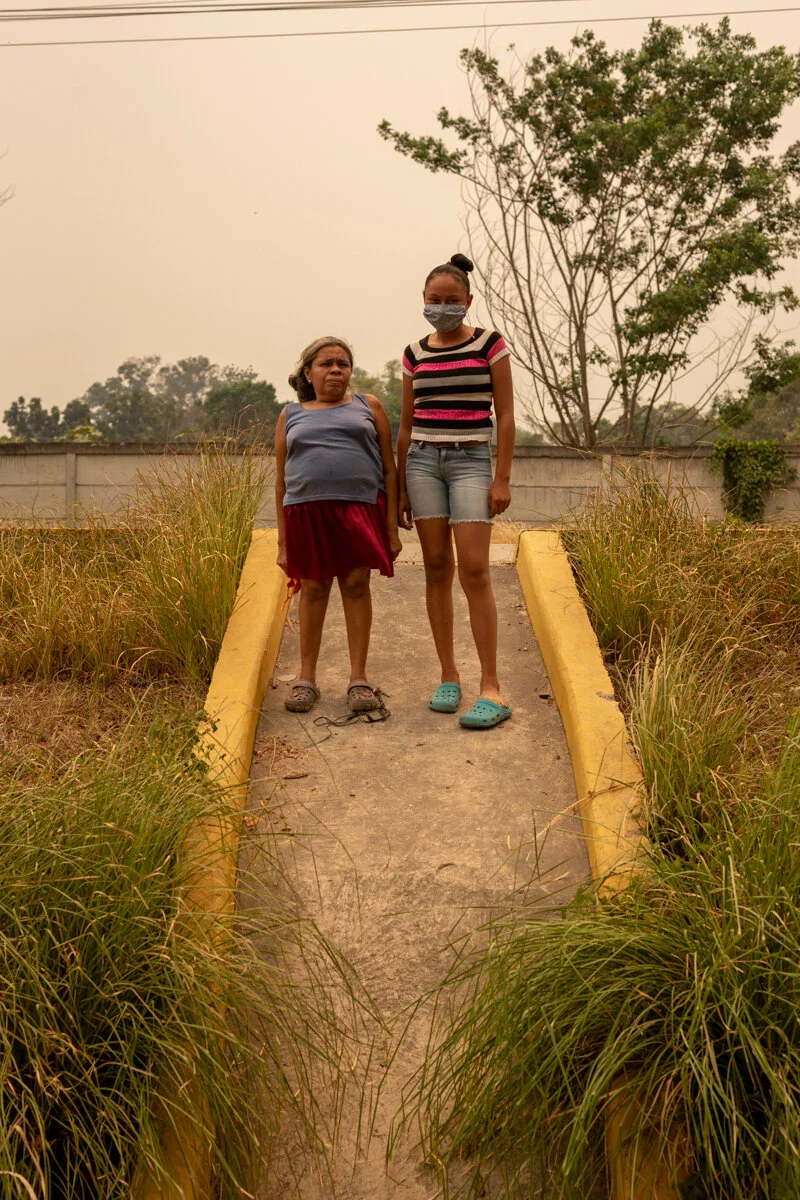
The Coronavirus crisis and lockdown in Honduras has been especially harsh on the vulnerable--over 60% of people live in poverty. Without a job and little to no help from the government thousands of people have taken to the streets hoping for goodwill from passersby.

The most vulnerable people--over 60% of Honurans live in poverty--have seen the biggest negative impacts from the Coronavirus lockdown. All over the city people from the poorest neighborhoods have flocked to the street to ask for help.
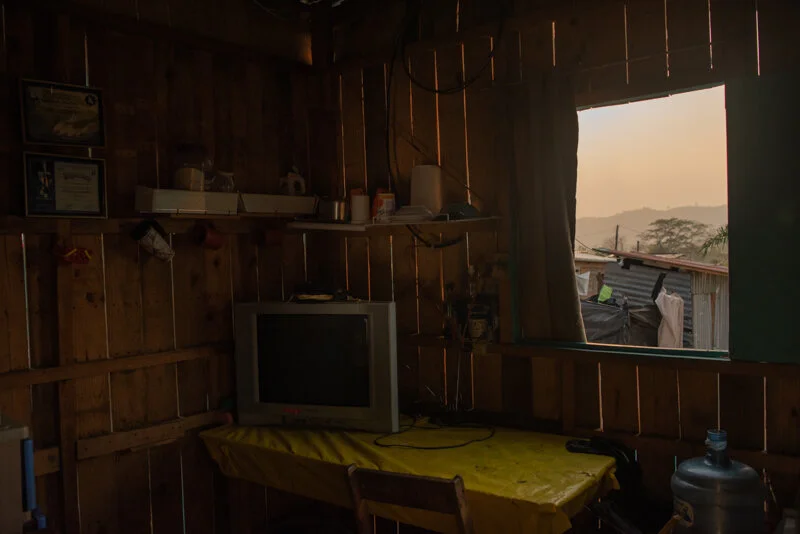
El Carmen is one of the poorest sections of San Pedro Sula. Bajos Horizantes is a community of people who claim small plots of land owned by the municipality. By law, if they prove occupancy for 10 years they gain ownership. In this community and those like it the vulnerabilty to the negative effects of the coronvirus lockdown are immense.
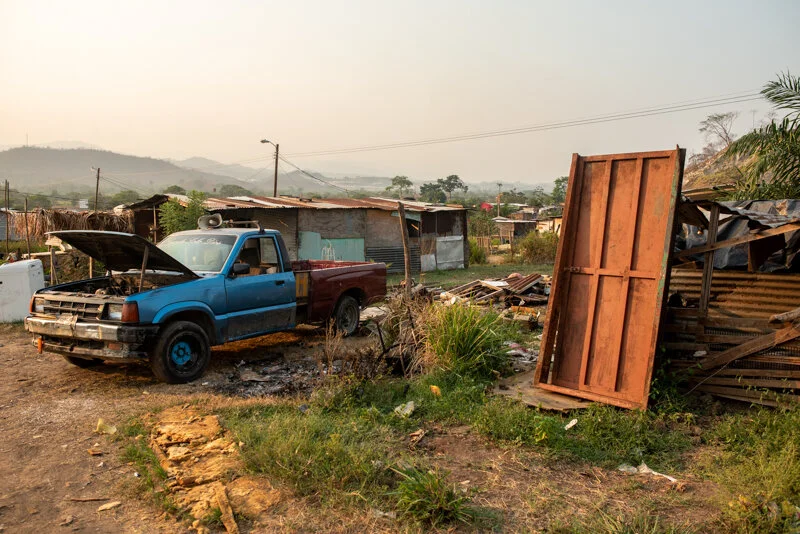
El Carmen is one of the poorest sections of San Pedro Sula. Ballos Horizantes is a community of people who claim small plots of land owned by the municipality. By law, if they prove occupancy for 10 years they gain ownership. In this community and those like it the vulnerabilty to the negative effects of the coronvirus lockdown are immense.
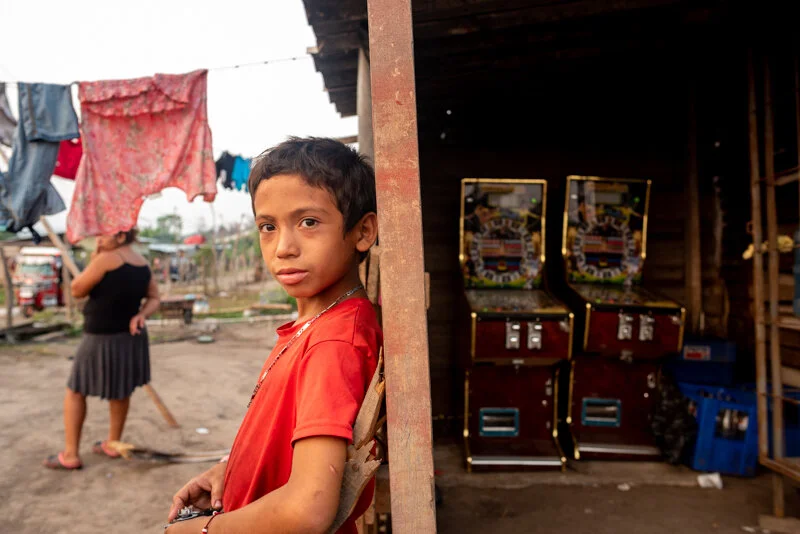
El Carmen is one of the poorest sections of San Pedro Sula. Bajos Horizantes is a community of people who claim small plots of land owned by the municipality. By law, if they prove occupancy for 10 years they gain ownership. In this community and those like it the vulnerabilty to the negative effects of the coronvirus lockdown are immense.